The first time someone handed me a bag of coffee that promised "blueberry, jasmine, and brown sugar," I assumed it was marketing nonsense. There was no blueberry in the bag. Then I brewed it, paid attention, and there it was, a clear berry sweetness sitting under the coffee. That moment changed how I drink, and it's the thing I most want to pass on.
Tasting notes aren't a secret language meant to make you feel left out. They're a roaster's honest attempt to point you toward what they found in the cup. Once you understand how those words work and how to taste alongside them, the whole label opens up.
What the words actually describe#
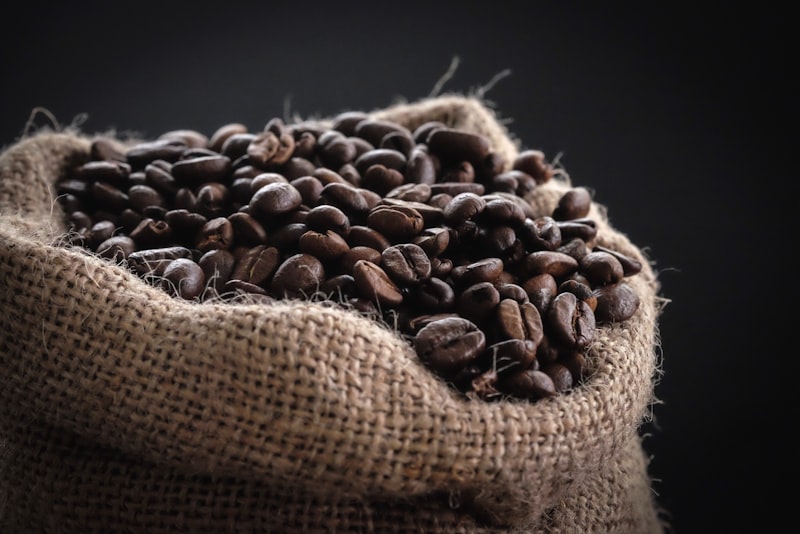
Let's clear up the biggest misunderstanding first. Tasting notes are not flavorings. Nobody added blueberry syrup or jasmine to your beans. Coffee is a fruit seed, grown across wildly different soils and climates, and it naturally carries hundreds of aromatic compounds. Many of those overlap with the compounds in foods you already know, so a roaster reaches for familiar comparisons.
When a bag says "notes of cherry and cocoa," it means the roaster tasted something that reminded them of cherry and cocoa. It's a translation, not a recipe. Your job isn't to find the exact fruit but to notice the family of flavor it's gesturing at.
A tasting note is a pointing finger, not the moon. It's there to aim your attention, not to be graded as right or wrong.
Where the coffee comes from shapes these notes more than almost anything else. The same variety grown in different regions tastes distinct, which is part of why origin is worth understanding. I get into that in coffee bean origins explained, and it pairs naturally with learning to read notes.
The main flavor families#
You don't need to memorize a wheel of two hundred descriptors. Most notes cluster into a handful of families, and learning those gets you most of the way:
- Fruity: Berries, stone fruit, citrus, tropical fruit. Often comes with brightness or acidity. Common in lighter roasts and African coffees.
- Floral: Jasmine, rose, lavender, a perfumed quality you smell as much as taste.
- Nutty and chocolatey: Almond, hazelnut, cocoa, milk chocolate. Comfortable, rounded, easy to like.
- Caramel and sugar: Brown sugar, honey, caramel, maple. Describes sweetness and body more than a single flavor.
- Spice and roast: Cinnamon, clove, tobacco, dark chocolate. Shows up more as the roast goes darker.
Roast level pushes coffee around this map. Lighter roasts tend to preserve fruit and floral notes, while darker roasts trade those away for deeper, roastier, chocolate-and-spice character. There's a real trade-off there, not a winner, and I lay it out in light vs dark roast coffee.
Acidity, body, and finish#
Three words on labels confuse beginners because they describe how a coffee feels, not a specific flavor.
Acidity doesn't mean sour or harsh. In coffee, it's the bright, lively quality that makes a cup feel vivid, the same way a squeeze of lemon wakes up a dish. A bright Kenyan coffee has high acidity. A smooth Sumatran has low acidity. Neither is better; they're different pleasures.
Body is the weight and texture in your mouth. A light-bodied coffee feels like tea. A full-bodied one feels closer to whole milk, with a coating richness. Brewing method nudges this, too. A French press leaves more oils and fine sediment, giving a heavier body than a paper-filtered pour-over.
Finish, or aftertaste, is what lingers after you swallow. A clean finish fades pleasantly. A long finish leaves sweetness hanging around. Some coffees finish dry or bitter, which tells you something about the roast or the brew.
A home tasting routine#
Reading about flavor only gets you so far. Your palate trains through repetition, and you can set up a useful tasting on any kitchen counter. Here's a simple routine I use with friends:
- Brew two coffees the same way. Same method, same ratio, same grind. The only thing that changes is the beans. A side-by-side comparison reveals far more than tasting one cup alone.
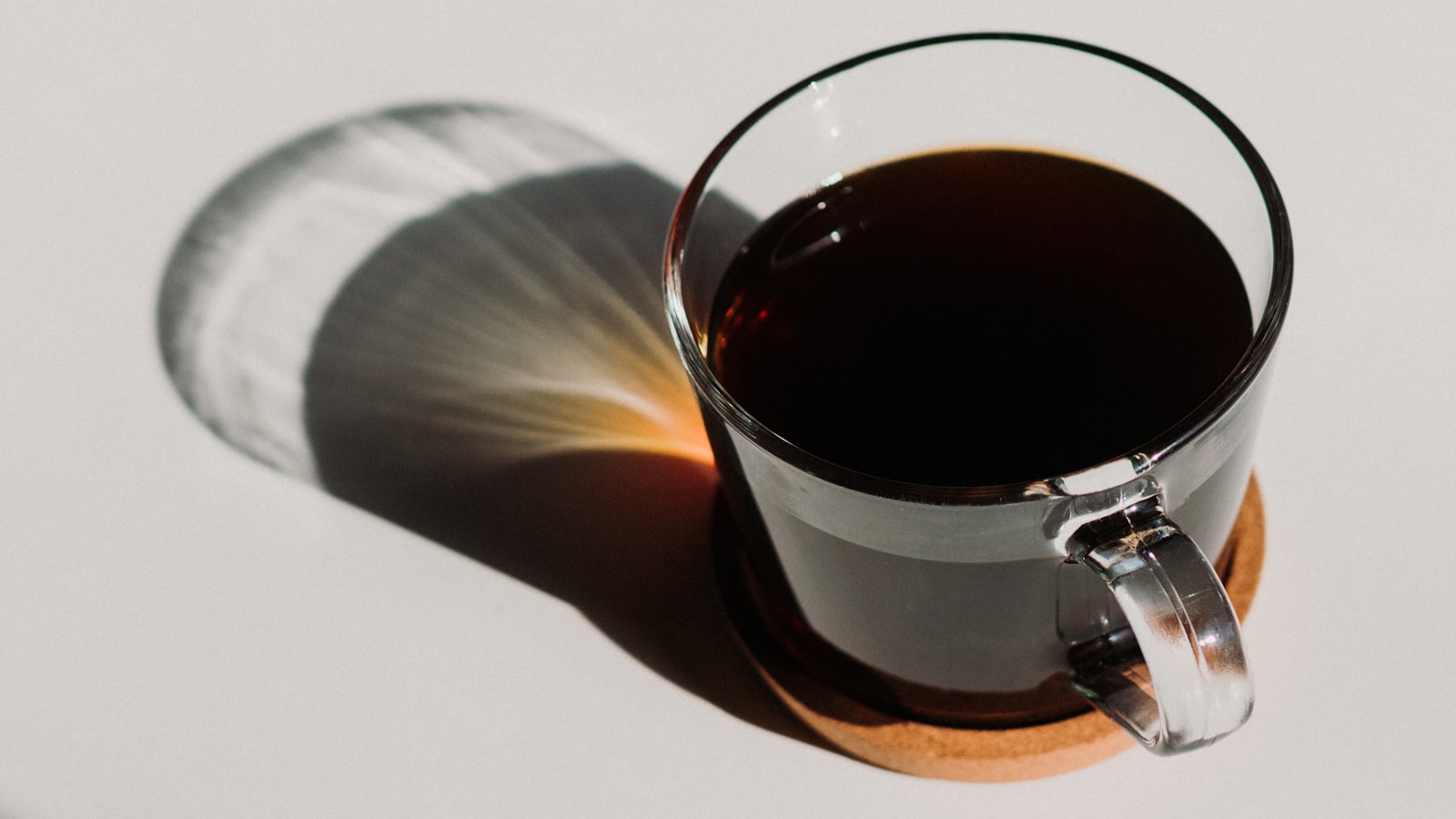
- Smell before you sip. Most of flavor is aroma. Put your nose right over the cup and breathe in before the first taste.
- Slurp, don't sip. Pulling air in with the coffee spreads it across your whole tongue and lifts the aromatics. It looks silly and it works.
- Let it cool. Coffee changes as it drops in temperature. Sweetness and fruit often emerge as a cup cools from hot to warm, so taste it again ten minutes later.
- Name something, anything. Don't reach for the bag's words. Ask whether the cup is bright or smooth, light or heavy, and what food it reminds you of, even loosely.
The point of two cups side by side is contrast. You might not be able to say a single coffee tastes like cherry, but you'll easily tell that one is brighter and fruitier than the other sitting next to it. That comparison is the fastest teacher.
Why your own notes matter more than the bag#
Here's a confession from someone who tastes coffee constantly: I often don't find the exact notes printed on the bag, and that's fine. Palates differ. Genetics, what you ate that morning, even how much sleep you got all shift what you pick up. Two skilled tasters can disagree about the same cup.
So treat the bag as a hint and your own reaction as the truth. The goal isn't to pass a test or match the roaster word for word. It's to figure out what you actually enjoy drinking. Maybe you discover you love bright, fruity coffees and find chocolatey ones a touch dull, or the reverse. Either answer is correct, because it's yours.
Keep a few loose notes on your phone as you go. Not formal scores, just "loved this, too sour," or "smooth, would buy again." Over a few months that scratch list becomes a map of your own taste, and it makes every future purchase easier and cheaper, because you stop buying coffees you were never going to like.
Tasting your way to better buying#
Tasting notes stop being intimidating the moment you realize they're an invitation, not a quiz. They're a roaster handing you a flashlight and saying, here's where to look. Whether you find exactly what they found matters far less than the fact that you're paying attention at all.
Brew two cups, slurp them side by side, and let yourself say plain things about what you taste. Do that a handful of times and the fruity, floral, nutty vocabulary stops being abstract. It becomes a shorthand for cups you already know, and you'll start choosing beans with confidence instead of crossing your fingers at the shelf.