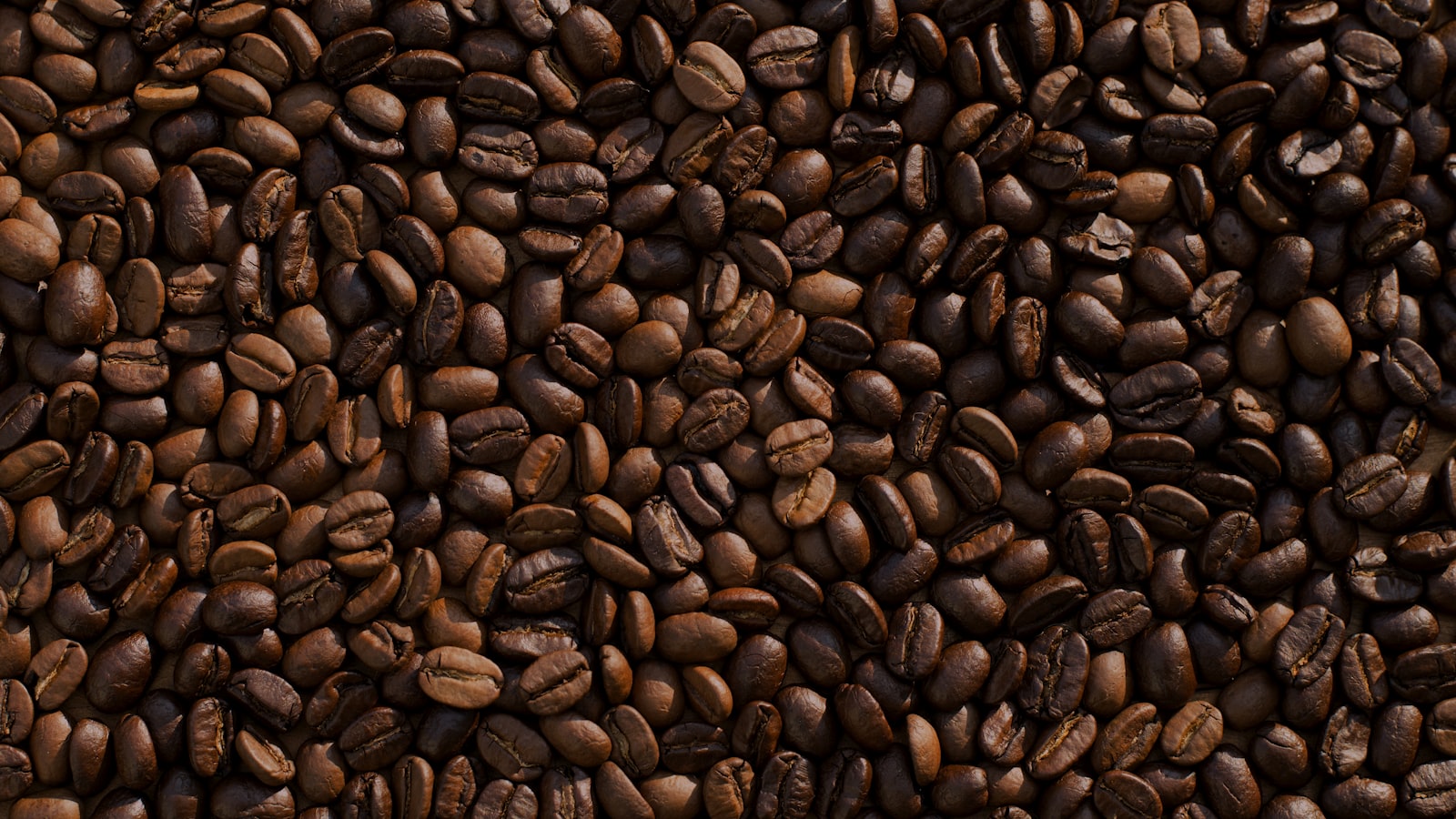
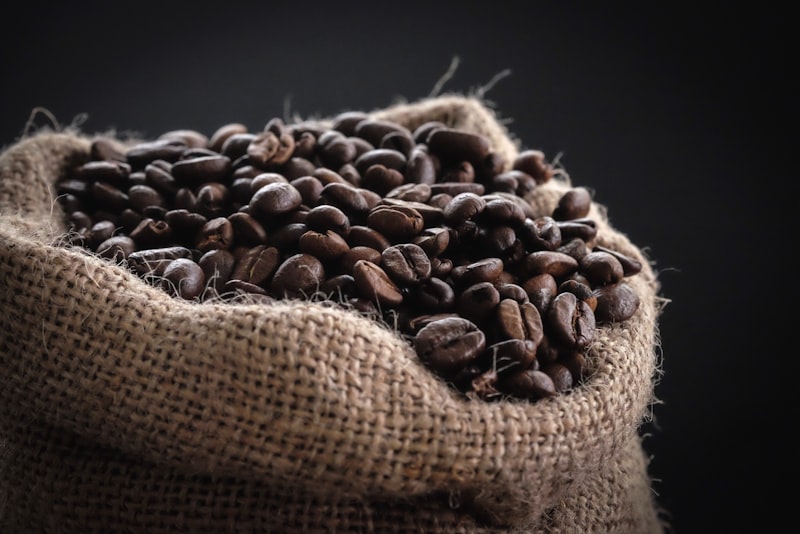
I roast coffee at home, which means I buy a lot of green beans from a lot of places, and the labels read like a travel diary: a washed lot from the Ethiopian highlands, a natural from Brazil, a wet-hulled bean from Sumatra. For a long time those origin names meant nothing to me beyond marketing. Then I started tasting them side by side, and the differences stopped being abstract.
Origin is one of the most useful things to understand as a coffee drinker because it helps you buy on purpose instead of by accident. You don't need to memorize a map. You just need a rough sense of what each big growing region tends to give you, and an honest acknowledgment that "tends to" is doing real work in that sentence. Let me walk through it the way I wish someone had walked through it with me.
Why place changes flavor#
Coffee is an agricultural product, like wine or apples, and it carries the fingerprint of where it grew. A few forces do most of the shaping. Altitude is a big one: coffee grown high up matures slowly in cooler air, which tends to produce denser beans with more concentrated, complex flavor. Lower-grown coffee ripens faster and often tastes softer and simpler.
Then there's climate, soil, and the specific variety of plant. Volcanic soil, rainfall patterns, the amount of shade, the genetics of the tree, all of it nudges the final flavor. People sometimes borrow the wine word "terroir" for this bundle of local conditions, and it fits. The same coffee variety planted in two countries can taste meaningfully different.
Origin is a starting expectation, not a promise. A great roaster can coax surprising things out of a "typical" region, and a careless one can flatten the most distinctive bean into brown sludge.
African coffees: bright and fruity#
If someone hands you a coffee that tastes like blueberry, jasmine, or citrus and you wonder whether they spiked it, there's a good chance it came from Africa. The continent is home to some of the most aromatic, fruit-forward coffees in the world.
Ethiopian coffees are the classic example, and Ethiopia is widely considered the birthplace of coffee itself. Depending on the lot and processing, they can taste floral and tea-like or burst with berry sweetness. Kenyan coffees often bring a bright, juicy acidity and notes that lean toward blackcurrant and tomato. These coffees tend to be vivid and lively rather than mellow.
A note for newcomers: that brightness can read as "sour" if you're used to dark, heavy coffee, and that's a matter of palate, not a flaw. If the fruit and acidity throw you at first, give them a few cups. Brewed well as a clean pour-over, an African coffee can be one of the more memorable cups you'll make at home.
Latin American coffees: balanced and approachable#
This is the region a lot of people drink without realizing it, because so much everyday coffee comes from here. Latin American coffees, broadly, are the easygoing middle of the spectrum: balanced, clean, often with notes of chocolate, caramel, and nuts, and a gentle acidity that doesn't demand anything of you.
Within that, there's range. Colombian coffee is the dependable all-rounder, smooth and mild with a touch of sweetness. Brazil, the largest producer in the world, leans nutty and low in acidity, which is part of why it shows up in so many blends and espresso bases. Coffees from Guatemala or Costa Rica can climb toward brighter, more structured cups, especially the high-grown lots.
If you're not sure where your taste lives yet, this region is a forgiving place to start. The flavors are familiar enough to feel comfortable and varied enough to teach you what you actually like.
Asian and Pacific coffees: earthy and heavy#
Now for the other end of the spectrum. Coffees from Indonesia and the broader region, places like Sumatra, Java, and Sulawesi, often taste deep, earthy, and full-bodied, with low acidity and notes that wander toward cedar, tobacco, spice, and dark chocolate. They feel heavy in the mouth in a way that fans love and that brighter-coffee drinkers sometimes find muddy.
A lot of that character comes from a distinctive regional processing style called wet-hulling, which I'll get to in a second. The point for now is that these coffees are the opposite of the African fruit bomb. If you take milk, or you want a cup that feels substantial and grounding, this region rewards you.
There's overlap and exception everywhere, of course. India's coffees, parts of the Pacific, and others all add their own wrinkles. But the earthy, low-acid, heavy-bodied profile is the throughline people reach for when they describe the region.
Processing matters as much as geography#
Here's the part the origin label half-hides. Before a coffee seed becomes a roastable bean, the fruit around it has to be removed, and how that's done shapes flavor enormously. The main approaches:
- Washed (or wet) process: the fruit is stripped off before drying. This tends to produce cleaner, brighter, more transparent flavors, common in Africa and Latin America.
- Natural (or dry) process: the whole cherry dries around the seed. This pushes heavier, fruitier, sometimes wine-like sweetness into the cup. Brazil and parts of Ethiopia lean this way.
- Wet-hulled: a distinctive Indonesian method that contributes to those earthy, full-bodied Sumatran profiles.
The lesson is that two coffees from the same country can taste like different drinks depending on processing. So when a bag lists "natural Ethiopia" versus "washed Ethiopia," that word is telling you something real about what's in the cup, and it's worth learning to read it the way you'd read tasting notes on the label.
Using origin to buy better coffee#
You don't have to become a geography buff to put this to work. Think of origin as a rough compass. Want something bright and fruity to wake up your palate? Look toward Africa. Want a comfortable, balanced daily cup? Latin America rarely misses. Craving something deep and heavy, maybe with milk? The Indonesian end delivers.
Hold all of this loosely. Roast level can override a lot of origin character, since a dark roast flattens regional nuance while a lighter one lets it sing. Brewing matters too. And the single most reliable move is buying from a roaster who tells you the origin, the processing, and the harvest, then tasting for yourself. Origin gives you the map. Your own cup is the only territory that counts, and the fun part is comparing the two until the labels start to mean something in your mouth, not just on paper.