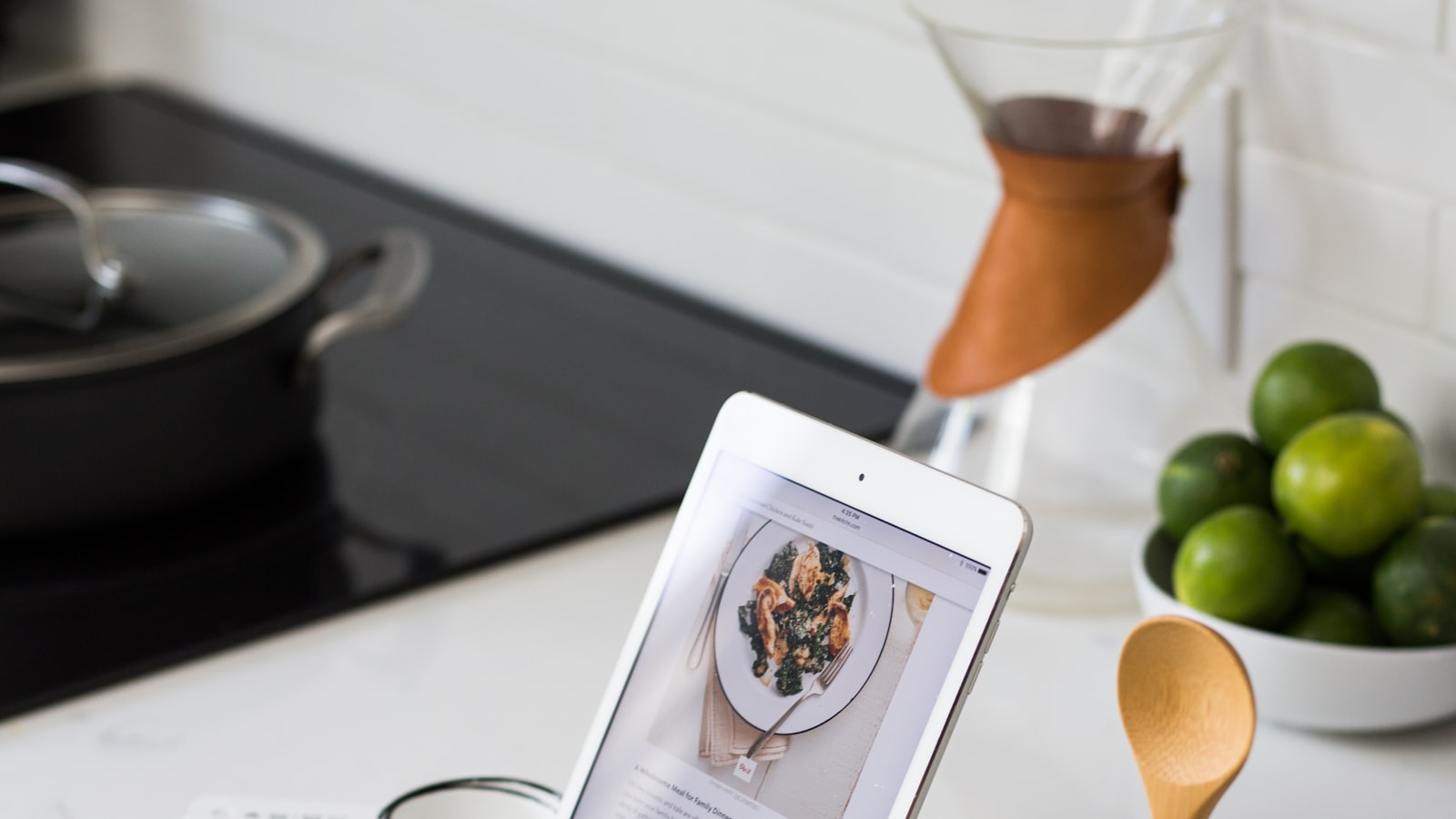
Pour-over coffee has a reputation for being fussy, and I understand why. The first time you watch someone hover a gooseneck kettle over a cone, counting seconds and pouring in tidy spirals, it can look like a performance rather than breakfast. It isn't. Strip away the ceremony and pour-over is just hot water passing through ground coffee in a way you control.
I brew this way most mornings on my own kitchen counter, and I've taught more friends than I can count using one cheap dripper and a basic kettle. What follows is the version I'd hand a beginner: enough detail to get a clean, balanced cup, without the parts that only matter once you're chasing the last five percent.
What you actually need#
You can spend a fortune on pour-over gear, but you don't have to start there. Here is the short list that gets you a genuinely good cup:
- A dripper. A plastic or ceramic cone like a Hario V60 or a Kalita Wave is plenty.
- Paper filters that fit your dripper.
- A way to grind. A burr grinder beats a blade grinder by a wide margin, and it's the single upgrade I'd make first.
- A kettle. A gooseneck kettle gives you real control over where the water lands, though any kettle will pour coffee.
- A scale. Eyeballing works, but a cheap kitchen scale makes your results repeatable. If you're unsure whether it's worth it, I make the case in this piece on coffee scales.
That's it. No bottomless budget, no gadget wall. The dripper is the cheapest part of the setup, and the grinder is where your money does the most work.
Dialing in your dose#
Start with a ratio you can remember and adjust from there. A good beginner target is roughly 60 grams of coffee per liter of water, which works out to about 15 grams of coffee for a single 250-gram cup. If you don't have a scale yet, two slightly heaped tablespoons of grounds to a standard mug is a reasonable stand-in while you find your footing.
Grind matters as much as dose. For most cone drippers you want a medium grind, somewhere around the texture of table salt. Too fine and the water crawls through, pulling out harsh flavors; too coarse and it rushes past, leaving the cup thin and sour. I cover the underlying logic in more depth in coffee-to-water ratio explained, but for now, pick a starting ratio and change only one thing at a time.
The single most common beginner mistake isn't the pour. It's grinding too coarse and then wondering why the coffee tastes weak and watery.
The bloom#
Once your filter is rinsed (pour a little hot water through the empty paper, then dump that water out) and your grounds are sitting level in the cone, you're ready to bloom.
The bloom is a short pre-wet. Fresh coffee holds carbon dioxide from roasting, and that gas pushes water away from the grounds if you flood the bed too fast. To bloom, pour just enough water to wet all the coffee, roughly twice the weight of your grounds, then wait. You'll see the bed swell and bubble like rising dough. That's the gas escaping.
Give it 30 to 45 seconds. A lively, puffy bloom usually means fresh beans; a flat one can be a sign the coffee is past its prime, which is worth knowing if you're not sure how to tell if your coffee is fresh. Either way, don't rush this step. Skipping the bloom is the difference between an even extraction and a patchy one.
The pour#
After the bloom settles, you'll pour the rest of the water in stages rather than all at once. The goal is to keep the grounds saturated and moving gently without blasting a hole through the middle.
Here's the pattern I use:
- Start in the center and spiral slowly outward toward the edge, then back in. Avoid pouring directly onto the paper.
- Pour in two or three additions, letting the water level drop a bit between each one rather than overfilling the cone.
- Keep the stream slow and steady. You're nudging the water through, not forcing it.
- Aim to finish all your pours so the whole brew, from first drop to last drip, lands somewhere around two and a half to three minutes for a single cup.
Watch the bed as you go. You want it to stay relatively flat. If you see grounds climbing high up one side of the filter, you're pouring too aggressively in one spot.
When the last of the water has drained through, the surface of the spent grounds should look flat and even, with no dry clumps stranded above the waterline. A lopsided, crater-filled bed tells you the next pour can be gentler and more centered.
It helps to think of the whole brew as one continuous, gentle conversation with the bed rather than a few forceful dumps of water. The grounds want to stay wet, warm, and moving just slightly. If you find yourself pouring hard to keep up, that's a signal to slow the whole thing down. There's no prize for speed here, and the calmer you pour, the more even the cup tends to taste.
Reading your cup and fixing it#
Your first few brews are data, not failures. Taste deliberately and adjust one variable at a time.
If the coffee tastes sharp, sour, or thin, it's usually under-extracted. The fix: grind a little finer, pour a touch slower, or nudge your water hotter. If it tastes bitter, dry, or hollow, it's likely over-extracted, so go the other way with a coarser grind or a slightly cooler kettle.
Two quick rules of thumb keep this manageable:
- Sour means slow down and grind finer.
- Bitter means speed up and grind coarser.
Water temperature plays a quiet but real role here. Just off the boil, around the low end of boiling, is a safe window for most coffees, and I get into the why behind that in water temperature for brewing coffee. For now, take the kettle off the heat, count to thirty, and pour.
Building a pour-over you'll actually repeat#
The best brewing routine is the one you can do half-asleep. Pick a dose, pick a grind setting, and brew the same way for a week before you start tinkering. Consistency is what lets you taste the effect of any change you make, because you've removed everything else that might be moving.
Pour-over rewards attention, but it doesn't demand perfection. A level bed, a real bloom, and an unhurried pour will get you most of the way to a cup that tastes clean and sweet. The fine-tuning is a pleasure you can grow into. Start simple, brew often, and let your own counter teach you the rest.