Roast level is the first thing most people notice about coffee and the thing they understand least. The bag says light, medium, or dark, and folks tend to pick based on a vague sense that dark means strong and serious while light means weak and trendy. As a home roaster, I can tell you that picture is mostly wrong, and getting it right will change how you shop.
I roast my own beans in a little drum on weekends, watching them go from pale and grassy to glossy and dark, and the transformation is dramatic. The same green bean becomes wildly different coffee depending on when I stop. Here's what each roast level actually does, stripped of the marketing, with the trade-offs left in where they belong.
What roasting actually does#
Green coffee beans are dense, grassy, and not particularly pleasant. Roasting applies heat over several minutes, and during that time the beans dry, swell, and undergo chemical changes that develop the flavors we recognize as coffee. Sugars caramelize, acids break down, and oils migrate toward the surface.
A useful landmark roasters listen for is "first crack," an audible popping as the beans expand, a bit like popcorn. Stop shortly after first crack and you have a light roast. Carry on toward and past a second crack and you're into dark territory. The longer the roast runs, the more the bean's original character gets traded for the flavors the roasting itself creates.
Roasting is a series of trades, not a ladder from worse to better. Every minute you add gains you something and costs you something. There's no roast that wins on every front.
Light roast: origin in the spotlight#
Light roasts stop early, so they preserve the most of what made the bean distinctive in the first place. These are the coffees that taste bright, acidic, and often fruity or floral, the ones where you can actually detect where the bean grew. If you've read about how origin shapes your cup, light roasts are where that origin character shows up loudest.
The trade-off is that lighter beans are denser and harder to extract, so they're less forgiving to brew. They can taste sour or grassy if you grind too coarse or brew too cool. They reward attention, a good grinder, and slightly hotter water. The body is usually lighter too, more tea-like than syrupy.
Light roasts suit you if you like acidity and complexity, want to taste the difference between a Kenyan and an Ethiopian, and don't mind dialing in your brew a little more carefully. They shine in clean methods like pour-over.
Medium roast: the comfortable middle#
Medium roast is where most everyday coffee lives, and for good reason. By roasting a bit past first crack, you mellow the sharp acidity of a light roast while keeping some of the bean's origin flavor. The result tends to be balanced: notes of caramel, chocolate, and nuts, a fuller body, and a rounder, more familiar taste.
This is the roast I recommend to people who aren't sure what they like yet. It's forgiving to brew, plays nicely with milk or black, and works across almost every method. You give up some of the vivid fruit of a light roast and some of the bold punch of a dark one, but in exchange you get a cup that's hard to mess up.
A few quick ways to think about the trade-offs:
- Light: most origin character and acidity, lightest body, least forgiving to brew.
- Medium: balanced flavor and body, broad appeal, forgiving across methods.
- Dark: boldest roast flavor, heaviest body, least origin character, easy to over-roast into bitterness.
Dark roast: bold and roasty#
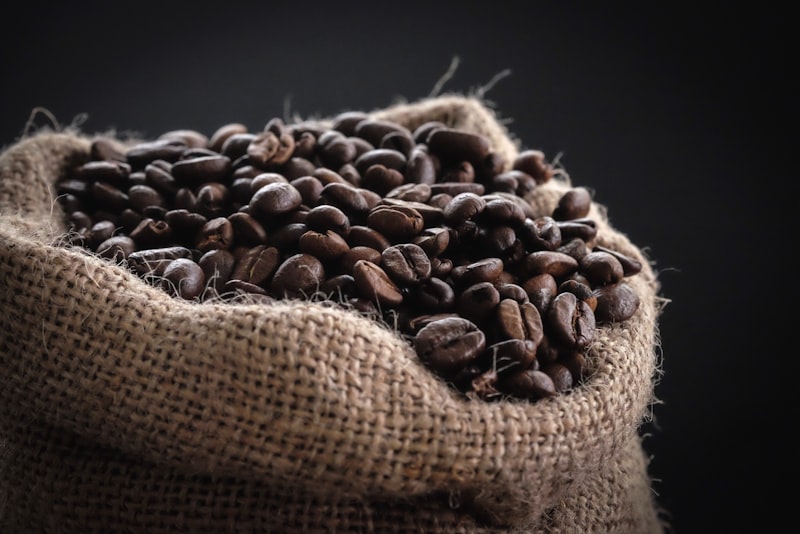
Dark roasts push the beans well past first crack, sometimes into second crack, and the flavor shifts toward the roast itself. You get bold, smoky, bittersweet notes, often described as dark chocolate, toasted, or even a touch ashy at the extremes. The acidity largely burns off, the body turns heavy and low-toned, and oils show up on the surface of the bean.
What you trade away is nuance. The longer roast erases most of the origin character, so a dark Colombian and a dark Sumatran taste more alike than their lighter versions would. That's not a failing; it's the point. Dark roasts aim for a consistent, robust profile rather than a portrait of a specific farm. They hold up beautifully to milk and stand up well in concentrated methods like espresso and the moka pot.
The risk with dark roasts is that "dark" can slide into "burnt." A skilled roaster develops the bean to bring out bittersweet richness; a careless one just chars it. If a dark roast tastes flat, acrid, and one-dimensional, the beans may have been pushed too far rather than roasted well.
The caffeine myth#
Let's settle this, because it comes up constantly. People assume dark roast packs more caffeine because it tastes stronger, while others swear light roast has more because roasting "burns it off." The truth is undramatic: the difference in caffeine between roast levels is small.
Roasting does change the bean slightly, in both density and mass, which is why the comparison gets confusing depending on whether you measure by scoop or by weight. But the practical upshot for a home drinker is that you should not pick a roast to chase caffeine. The variation is minor compared to how much coffee you use and how you brew it. If you want a bigger kick, adjust your coffee-to-water ratio or simply drink a bit more, and choose your roast purely on flavor.
As a general lifestyle note, how caffeine affects you depends a lot on your own body and habits, so let your own response guide how much you drink rather than any roast on the shelf.
Choosing the roast that fits you#
Forget the idea that one roast level is more sophisticated than another. The "right" roast is the one that matches your taste and your brewing. Like bright, fruity, complex coffee and willing to fuss a little? Go light. Want an easygoing daily cup that behaves in any brewer? Medium. Crave bold, roasty depth, especially with milk or in espresso? Dark.
Your brew method nudges the choice too. Lighter roasts reward precise methods and good grinders, while darker roasts forgive a lot and suit immersion and pressure brewing. The honest move is to buy small bags across the range and taste them on your own counter over a couple of weeks. You'll quickly find your home base, and you'll stop being talked into a roast by a label. The roaster sets the table; your palate decides what's worth eating.