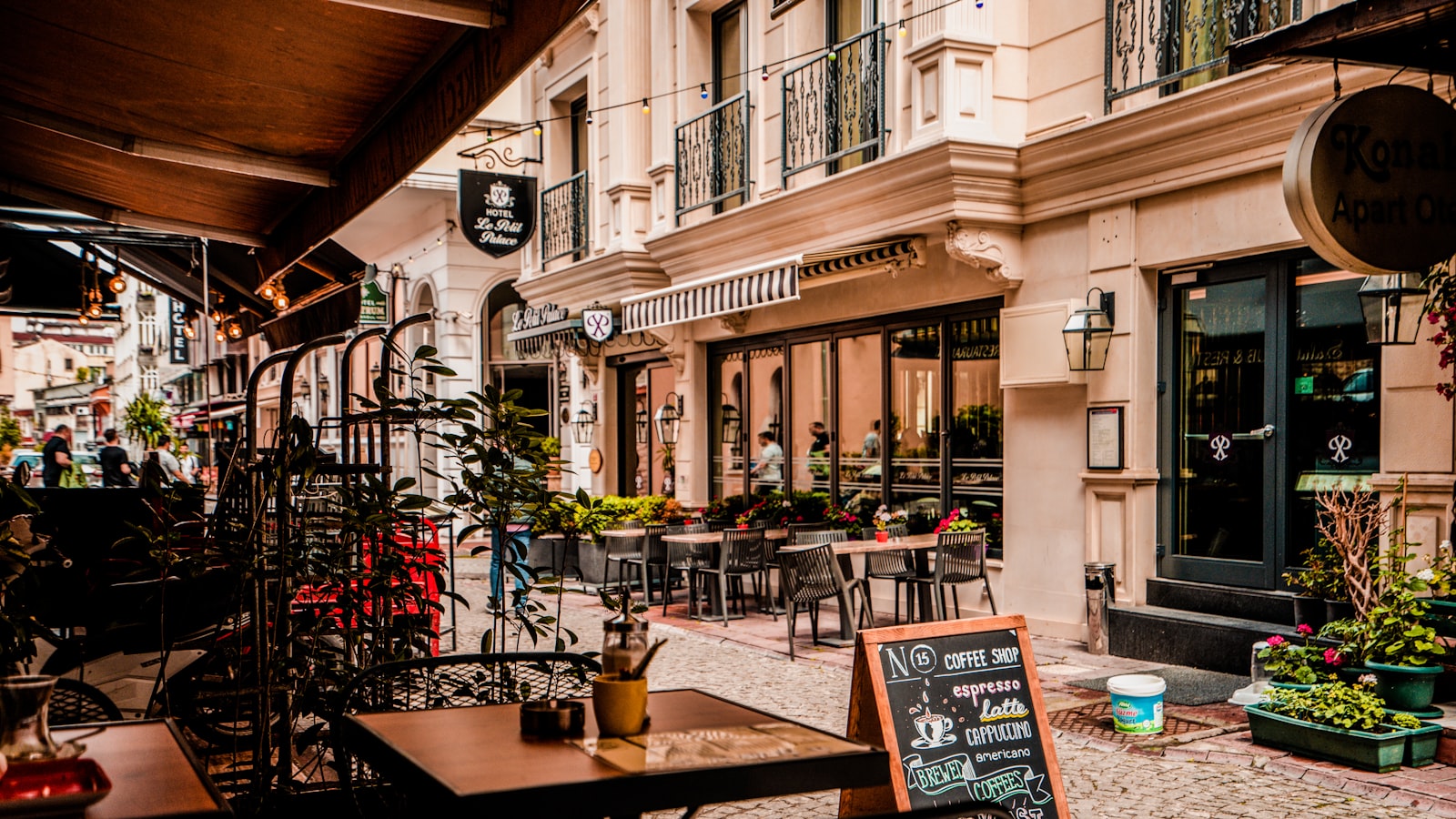
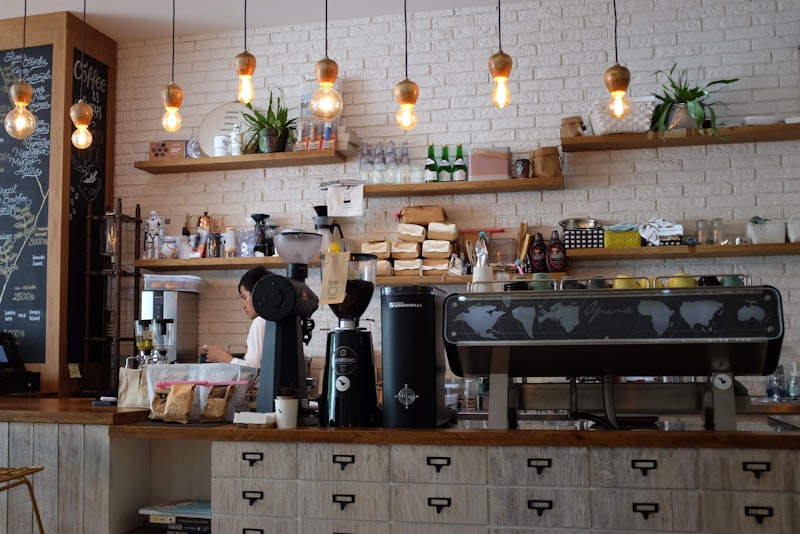
There's a stool at my local cafe that I think of as mine, though it belongs to no one. I've watched first dates and breakups happen from it, seen a freelancer turn one table into a months-long office, and overheard a barista learn a regular's order, then their name, then the broad shape of their week. None of that is on the menu, and all of it is the reason the place matters.
Cafes occupy a strange and valuable spot in our lives. They sell coffee, but what keeps them alive is something harder to ring up: the sense that you can be somewhere that isn't home and isn't work, among people, without needing a reason. That role is older than the espresso machine, and it's worth understanding why it endures.
The idea of a third place#
Sociologists have a name for the spot that sits between home and the workplace: the third place. It's the informal public space where community happens almost by accident, the pub, the barbershop, the corner shop, the cafe. The defining traits are loose but recognizable. It's neutral ground where no one is host or guest. It's a leveler, where status outside the door matters less. It runs on conversation and regulars, and crucially, it lets you stay.
A third place asks nothing of you except that you show up. You don't have to perform, produce, or even talk. You just have to be allowed to be there.
The cafe is one of the most durable third places we have, partly because the barrier to entry is so low. A single coffee buys you a seat and an hour, and the social contract is generous: linger, read, chat, or simply watch the street. That permission to stay, more than the drink itself, is the thing.
A long history of gathering over coffee#
This isn't a modern invention dressed up in nice furniture. Coffee houses have been gathering spots and idea factories for centuries, places where people argued politics, traded news, struck deals, and gossiped, all fueled by the same stimulating drink. The whole story of how these rooms shaped public life is its own fascinating thread, and it's laid out in the history of coffee houses.
What's striking is how little the core function has changed. The decor and the drinks evolve, but the cafe keeps doing the same quiet work: giving people a reason to be in the same room. The drink is the ticket, the company is the show. Every era reinvents the trappings and keeps the substance, which tells you the need being met is real and old.
How remote work rewrote the room#
Then the nature of work shifted, and cafes shifted with it. As more people started working outside an office, the neighborhood coffee shop quietly became infrastructure: a place with wifi, power outlets, a bathroom, and the low background hum that a lot of us, oddly, focus better in than total silence. The laptop became as common a sight as the saucer.
This has been a genuine lifeline. For freelancers, remote employees, and anyone whose home is too quiet or too distracting, the cafe offers a middle space with just enough structure and just enough company. It can be the difference between a productive day and a lonely one.
But it introduced a tension that any cafe owner will tell you about honestly. A room full of people nursing one drink for four hours, headphones in, eyes down, is a very different business than a room of people talking. The third place runs on lingering, but a cafe also has rent. When every seat is a silent workstation, the social warmth that made the place valuable can drain out of it, even as the tables stay full. The best cafes are quietly negotiating this balance every single day.
What makes a cafe worth keeping#
Not every coffee shop becomes a real third place. Some are transaction machines, designed to move you through a line and out the door, and there's nothing wrong with that when you just need a coffee. But the ones that earn loyalty tend to share a few traits:
- Seating that invites you to stay, not just perch. Comfortable chairs and tables you can settle at signal that lingering is welcome.
- Staff who remember faces. Recognition is the seed of community, and a barista who clocks your usual makes the place feel like yours.
- A mix of uses. Room for the laptop crowd and the talkers and the people just reading, without one group crowding out the rest.
- A point of view. Good coffee, a particular atmosphere, a sense that someone cares. People return to places that feel like something.
- Permission to do nothing. The unspoken message that you don't have to justify your presence.
You can feel the difference within a minute of walking in. One place wants your order. The other wants you to come back.
The cafe and the kitchen aren't rivals#
Here's something I believe despite running on cafe culture: brewing better coffee at home doesn't threaten the neighborhood cafe, and it shouldn't. They serve different needs. Home is for the quiet morning ritual, the cup you make in your pajamas, the slow weekend pour-over. The cafe is for the part of life that needs other people in the room. Getting good at coffee at home, even building a better morning coffee ritual, tends to make people care more about coffee everywhere, including the cafe down the street.
In fact, the home brewers I know are often a cafe's most loyal customers. They appreciate the craft, they tip well, and they understand that what they're really buying isn't a beverage they could make cheaper at home. They're buying the room, the company, and the permission to belong somewhere for an hour.
Holding on to the rooms that hold us#
The neighborhood cafe is one of the few remaining places where you can show up alone, spend a little, and not be alone anymore. That's not a small thing, and it's not guaranteed. These rooms survive on thin margins and our habits, which means the simplest way to keep the ones we love is to actually use them as third places, not just as backdrops for a screen.
So go sit at the counter sometimes without the laptop. Learn the name of the person who makes your coffee. Buy the second cup if you've stayed for the afternoon. The cafe gives us a place to be human together, and like any commons, it lasts only as long as we treat it like it matters. Keep the good ones busy, keep them warm, and they'll keep keeping us.